Apple Says It Protects You. Google Says It Respects You. Here's What Your Phone Is Actually Doing.
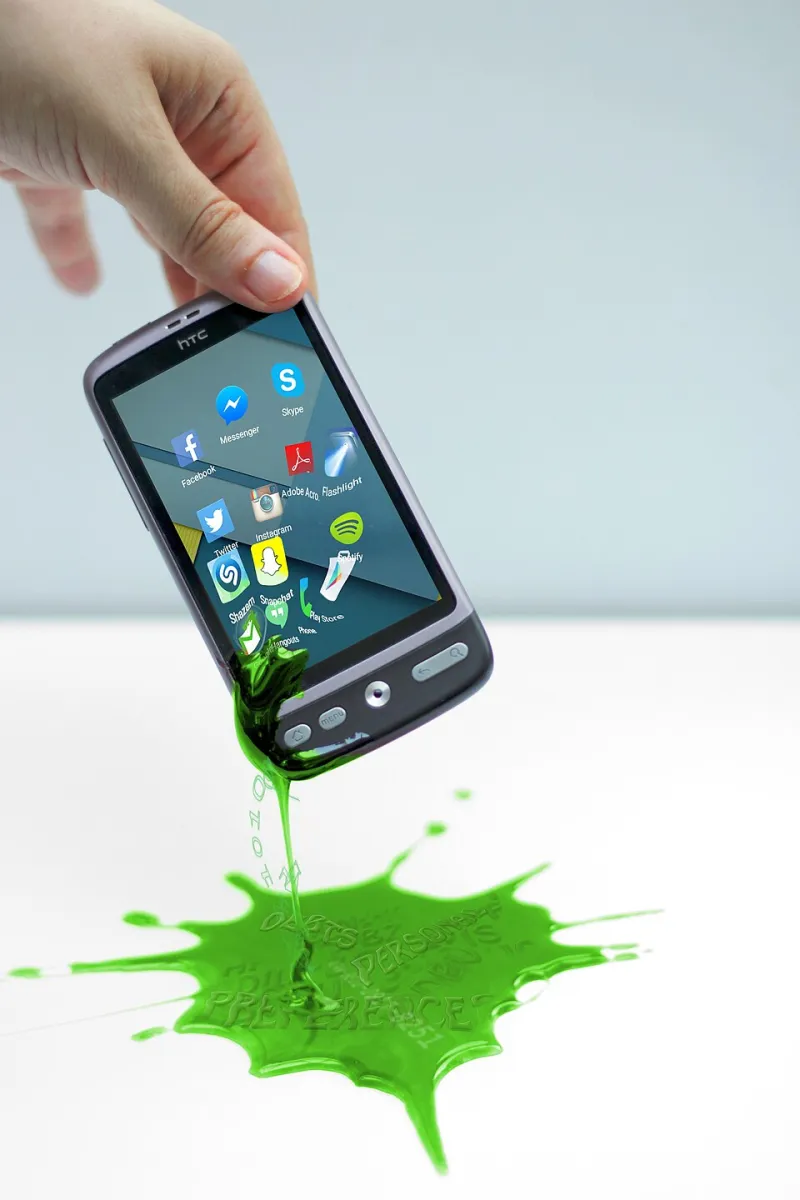
Photo: Stefan Nürnberger, CC BY-SA 4.0, via Wikimedia Commons
Every few months, Apple rolls out another ad about privacy. A person's data floats through the air, strangers reaching for it — until iPhone swoops in and locks it all down. It's slick. It's memorable. And it tells you almost nothing about what's actually happening on your device.
Google, for its part, doesn't lean as hard into the privacy angle. It can't, really — its entire business model is built on understanding user behavior. But the company has quietly rolled out a stack of privacy controls over the last few years, and Android has genuinely evolved. Whether that evolution is enough is a different question.
So what's actually going on under the hood? We spent time digging through independent research, regulatory findings, and documented data practices to give you a clearer picture than either company's marketing department ever will.
The Apple Privacy Brand vs. The Fine Print
Apple's pitch is simple: it doesn't sell your data. And technically, that's true. Apple's core business is hardware and services — it doesn't run an ad network that auctions your profile to the highest bidder the way Google does.
But "not selling your data" and "not collecting your data" are two very different things.
In 2023, researchers at Mysk published findings showing that iPhones were sending analytics data back to Apple — even when users had explicitly toggled off analytics sharing in their settings. The data included things like what App Store pages you visited, what you searched for, and how you interacted with Apple's own apps. Apple disputed the framing of those findings, but the core observation — that data was moving regardless of user settings — generated enough attention that it's worth taking seriously.
Apple also runs its own advertising platform. If you've ever seen promoted apps in the App Store or ads in Apple News and Stocks, you've seen it in action. That platform uses on-device data to target ads. Apple is careful to keep the profiling local rather than server-side, which is a meaningful technical distinction — but it's still profiling.
Google's Honest Bargain (And Its Limits)
Google doesn't pretend it isn't in the data business. The company collects a significant amount of information across its services — Search, Maps, YouTube, Gmail — and Android devices running Google's apps are feeding that ecosystem constantly. Location history, app usage, voice interactions with Assistant, browsing behavior through Chrome: it adds up fast.
What Google has gotten better at is giving users tools to manage that collection. The Privacy Dashboard in Android 12 and later lets you see which apps accessed your location, camera, and microphone, and when. Auto-delete controls let you set data retention windows. And for users willing to dig into their Google Account settings, there's a surprising amount of granular control available.
The catch is that the default settings aren't exactly privacy-forward. Most users never touch them. Google's data collection is extensive when you leave everything on, which most people do.
A 2018 study from researchers at Vanderbilt University — commissioned by a digital advertising trade group, worth noting — found that an idle Android device sent location data to Google roughly 340 times during a 24-hour period. Apple's iOS sent data about 160 times in the same window. Both numbers are higher than most users would expect from a "resting" phone.
Where Third-Party Apps Muddy the Water
Here's where the iPhone-vs-Android privacy debate gets genuinely complicated: both platforms are distribution channels for the same apps. Instagram is Instagram. TikTok is TikTok. The weather app you downloaded in 2019 and forgot about is probably still pulling your location every few hours on both platforms.
Apple's App Tracking Transparency framework, launched in 2021, was a real shift. It requires apps to explicitly ask permission before tracking you across other apps and websites. Studies following the rollout showed opt-in rates hovering around 25%, meaning roughly three out of four users said no when apps asked to track them. That's a meaningful privacy win — but it only covers cross-app tracking. Apps can still collect plenty of data about your behavior within their own walls.
Android has added similar controls, though Google's rollout has been slower and less aggressive. The Privacy Sandbox initiative aims to limit cross-app tracking on Android, but it's still maturing, and the ecosystem fragmentation that defines Android means implementation varies across manufacturers and OS versions.
The honest takeaway: iOS gives you a somewhat stronger default shield against third-party trackers. But if you're running the same 40 apps on either platform, a lot of the same data is leaving your phone either way.
What Security Researchers Actually Say
The academic and security research community doesn't have a simple verdict here, but a few themes keep coming up.
First, Apple's closed ecosystem genuinely does reduce certain attack surfaces. Tighter app review, no sideloading by default, and consistent OS updates across devices mean fewer opportunities for malicious software to get a foothold. That's not marketing — it's a real structural advantage.
Second, Google's transparency tools are arguably more detailed than Apple's when you use them. The granular controls in your Google Account, combined with Android's permission dashboard, give technically inclined users a clearer view of what's happening than iOS typically does.
Third — and this is the part both companies would rather you not focus on — the biggest privacy risks for most Americans aren't coming from Apple or Google directly. They're coming from data brokers buying signals from apps, advertisers, and other third parties. No phone OS fully protects you from that ecosystem, because it largely operates at the app layer, not the OS layer.
So Which Platform Is Actually Better for Privacy?
It depends on your threat model, which is a phrase security people use that basically means: what are you actually worried about?
If your concern is a massive ad tech company building a behavioral profile on you, iPhone has a structural edge. Apple's business doesn't depend on knowing what you're shopping for, and its tracking protections are more aggressively deployed by default.
If your concern is having visibility and control over what your device is doing, Android with Google's tools — actually used — can be surprisingly capable. The problem is it requires effort most users won't put in.
If your concern is the broader data broker ecosystem that hoovers up location signals and app behavior regardless of your OS, neither platform fully has your back. That's a regulatory and industry problem, not something a settings toggle will fix.
The privacy paradox at the center of this whole debate is that both companies are incentivized to talk about privacy loudly while defining it in ways that happen to align with their business interests. Apple's definition of privacy conveniently excludes its own data practices. Google's definition of privacy conveniently centers on user control rather than collection volume.
Neither definition is wrong, exactly. But neither is the whole story either. And as a phone buyer, that's worth keeping in mind the next time a slick ad tells you the choice is simple.