Android Gave You a Thousand Options. Why Does Your Phone Still Look Like Everyone Else's?
There's a story Android loyalists have been telling for years. It goes something like this: iOS is a walled garden, Apple decides everything, and if you want real control over your phone, you go Android. It's a compelling pitch. And honestly? It's not entirely wrong.
But here's the thing nobody wants to say out loud — most people with Android phones aren't actually using that freedom. And for the ones who are, a surprising chunk of what they're customizing doesn't make their phone meaningfully better. It just makes it look different.
Let's get into it.
What "Customization" Actually Means in Practice
When Android fans talk about customization, they're usually pointing to a few specific things: custom launchers, widgets, icon packs, sideloading apps, and the ability to set default apps for things like browsers and email. And yeah, all of that is real. Android genuinely does let you go deeper than iOS on most of those fronts.
But there's a gap between what's possible and what's practical. Custom launchers like Nova or Niagara are great — if you're willing to spend 45 minutes configuring them, troubleshoot the occasional crash, and accept that some features from your manufacturer's stock launcher just won't carry over. Icon packs look sharp in screenshots but often leave gaps when new apps are installed and the pack hasn't been updated. And sideloading? Outside of a pretty narrow slice of power users, most people have never done it and never will.
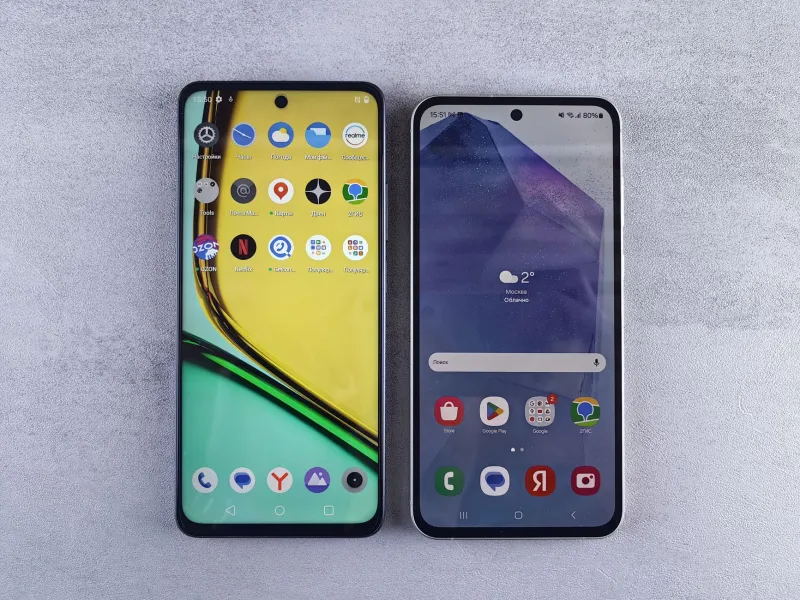
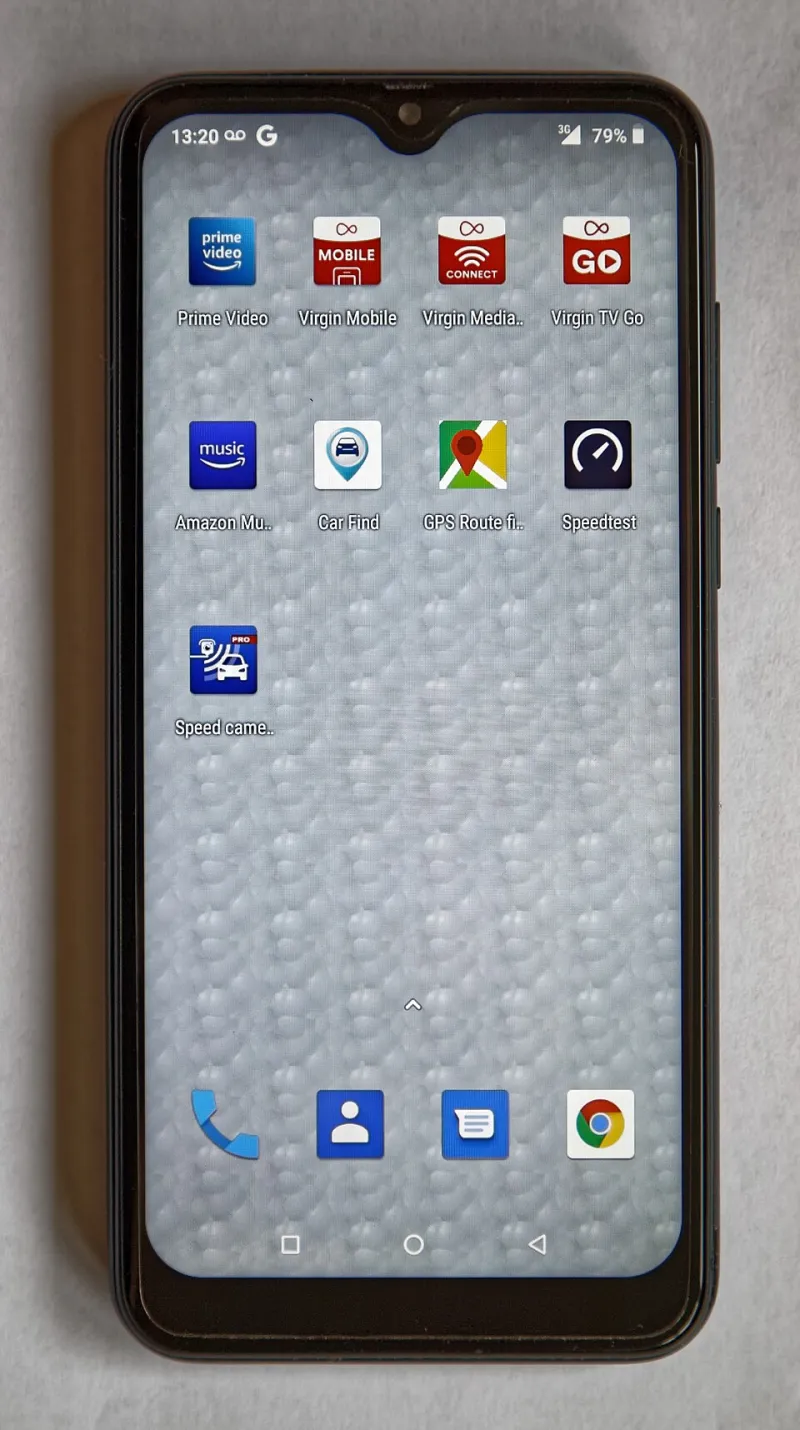
The average Android user, statistically speaking, is running close to whatever their phone shipped with. A Samsung owner is probably on One UI with a few widgets on the home screen. A Pixel owner might have tweaked a couple things in settings. That's about it.
The Manufacturer Problem Nobody Talks About Enough
Here's where Android's customization story gets genuinely messy. Unlike iOS, Android doesn't come from one place. Google builds the OS, but Samsung, Motorola, OnePlus, and everyone else slap their own software layer on top. That's technically more customization — but it's customization imposed on you, not offered to you.
Samsung's One UI is polished, sure. But it also ships with apps you didn't ask for, duplicate tools (why does a phone need two separate app stores?), and settings menus so deep you could lose a weekend in them. Motorola's take is closer to stock Android, which some people love and others find bare. OnePlus has spent the last few years slowly morphing into something that looks suspiciously like Samsung.
The point is: Android's "freedom" is filtered through whoever made your phone. And manufacturers don't always have your best interests at heart. They have carrier deals, bloatware agreements, and their own UI visions that may or may not align with what you actually want.
Apple's Constraints as a Feature, Not a Bug
Now, here's where iPhoDroid has to be real with the iOS side of the coin too, because for a long time, Apple's customization options were genuinely embarrassing. You couldn't change default apps until iOS 14. Widgets were locked to a sidebar until that same update. The home screen was a rigid grid of icons for over a decade.
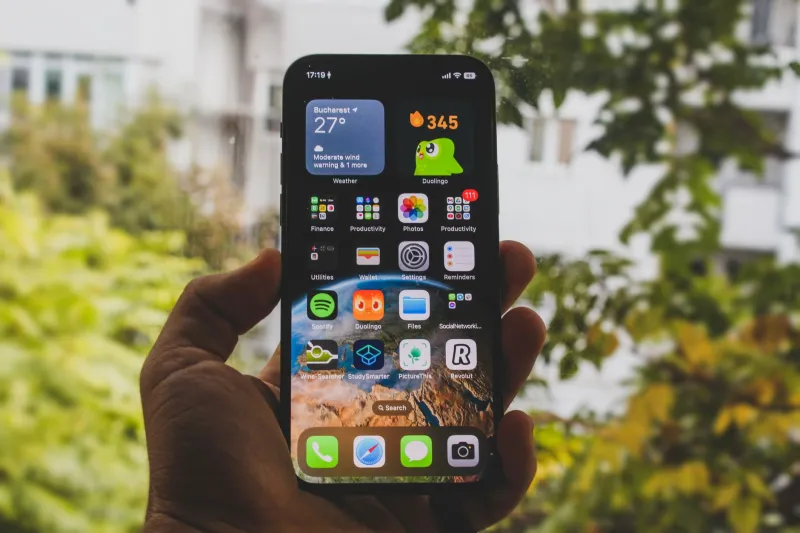
Apple has loosened up. Custom app icons (sort of), home screen widgets, Focus modes, and the App Library have added real flexibility. It's still not Android-level tinkering, but the gap has narrowed more than most people acknowledge.
And here's the uncomfortable truth: Apple's tight control produces a more consistent experience. When every app is built to the same guidelines, reviewed by the same team, and running on hardware Apple designed specifically for its software, things just work together. Animations are smooth. Transitions feel intentional. Nothing looks bolted on.
That's not magic — it's the direct result of fewer variables. Apple decides the rules, and developers follow them. You lose some flexibility, but you gain coherence.
The Abandonment Problem
One thing that rarely gets brought up in the Android-vs-iOS customization debate: what happens to all those options over time?
Google has a well-documented habit of launching features with enthusiasm and quietly killing them later. Remember Google Now? Nearby Share went through multiple rebrands. Even core Android features sometimes disappear between versions or get replaced by something that does less. Third-party launcher developers work on passion and donations — some of the best ones have gone years without meaningful updates.
On iOS, when Apple adds a feature, it stays. It gets refined. It gets integrated into the system more deeply. You might not get it until Apple decides you're ready, but once it's there, it's there.
For users who invested real time into customizing their Android setup, there's a particular frustration in watching a launcher they loved stop receiving updates, or a widget API change that breaks half their home screen. Freedom comes with maintenance costs.
So Who Actually Wins Here?
Honestly? It depends on who you are.
If you're someone who genuinely enjoys tinkering — who finds real satisfaction in building a home screen from scratch, automating workflows with Tasker, or flashing a custom ROM — Android's depth is legitimate and valuable. That community is real, and the tools are powerful.
But if you're the kind of person who set up your phone once and hasn't thought much about it since, Android's customization advantage probably isn't doing much for you. You're carrying around a phone that could be configured a hundred different ways, and you're using maybe three of them.
Meanwhile, iOS users are working within tighter constraints that, for most daily tasks, produce a phone that's polished, predictable, and doesn't require maintenance to stay that way.
The Honest Takeaway
Android's customization isn't a myth — but it is oversold. The freedom is real in the same way that a fully equipped professional kitchen is real: impressive, full of potential, and mostly wasted if you're just making toast every morning.
Apple's approach trades optionality for consistency, and for a lot of people, that's actually the better deal — even if it doesn't make for as good a talking point.
Both platforms have made moves toward the middle in recent years. Android has gotten smoother and more cohesive. iOS has gotten more flexible. The gap is smaller than the loudest voices on either side want to admit.
At the end of the day, the best phone customization isn't the one with the most options. It's the one that fits how you actually live — not how you imagine you might live if you had a free weekend and a YouTube tutorial queue.
And if that means you're happy with your iPhone's home screen exactly the way it shipped? That's not a loss. That's just knowing yourself.