Android's Default App Freedom Sounds Great — But Are People Actually Using It?

There's a talking point that surfaces every single time someone tries to convince an iPhone user to switch to Android. It goes something like this: "But on Android, you can set any app as your default. You're not stuck with Google's stuff." And honestly? It's not wrong. Android really does hand you that control. The question nobody seems to ask out loud is — does anyone actually use it?
We spent a few weeks digging into this. Not just the technical side of it, but the human side. Because there's a massive gap between what a platform lets you do and what its users actually do. And when you close that gap, the picture looks a lot more complicated than Android fans might want to admit.
The Promise vs. The Reality
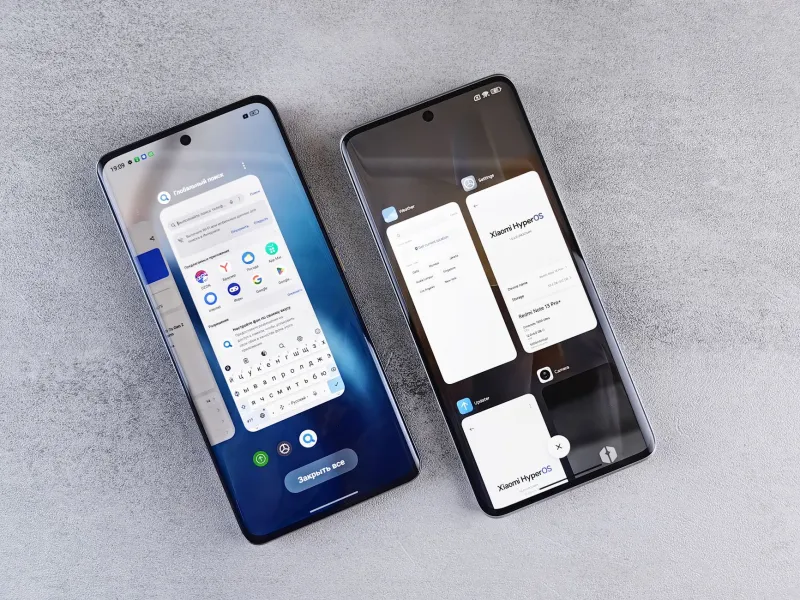
Android's default app system is genuinely impressive on paper. Want to swap out Chrome for Firefox? Done. Prefer Outlook over Gmail? Go for it. Would rather use a third-party keyboard, a different SMS app, or an alternative launcher that completely reimagines your home screen? Android will let you do all of that without much friction — at least on stock or near-stock versions of the OS.
But here's the thing: most Android users in the US are running Samsung phones. And Samsung's One UI adds its own layer of defaults, pre-installed apps, and gentle nudges toward its own ecosystem. Then there's the carrier bloatware situation, which is its own separate nightmare. By the time a regular person unboxes a new Galaxy and starts setting it up, the "freedom to choose" has already been quietly narrowed by three or four different parties before they even opened the Settings app.
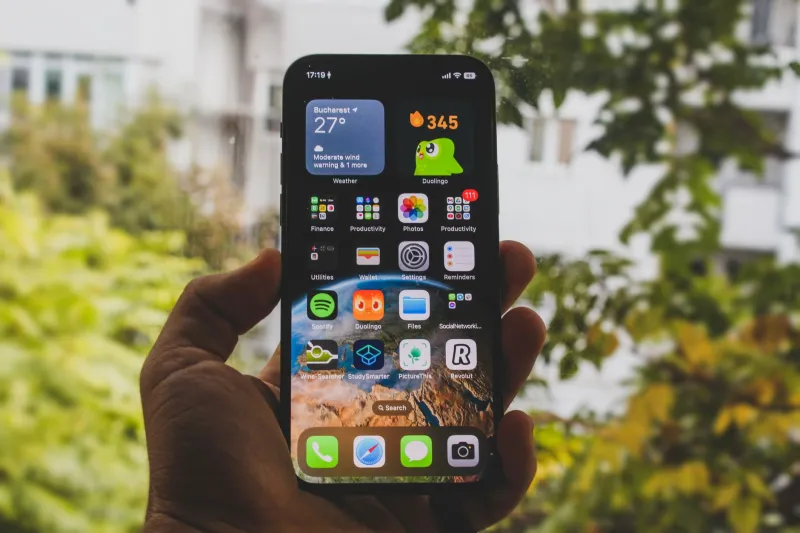
Apple, for its part, spent years being the villain in this story — locking everyone into Safari, Mail, and Maps whether they liked it or not. But starting with iOS 14, Apple began loosening that grip. You can now set third-party browsers and email clients as defaults. It's still more limited than Android, sure. But it's a meaningful shift, and it happened without most people noticing.
What Real Users Are Actually Doing
Here's where it gets interesting. We talked to a mix of Android and iPhone users — people who'd consider themselves tech-savvy but not necessarily power users — and asked them a simple question: have you ever changed a default app on your phone?
Among Android users, the answers were surprisingly split. About half had changed at least one default at some point, usually swapping out the default browser or messaging app. But the other half? They either didn't know how, didn't think about it, or had tried and given up after the process felt more confusing than it was worth.
On the iPhone side, the numbers were lower, but the gap wasn't as wide as you might expect. Several iPhone users had switched to Chrome as their default browser after iOS 14 made it possible. A handful had set up Spark or Gmail as their default mail client. Nobody seemed to feel like they were suffering under Apple's regime.
The takeaway isn't that Android's flexibility is useless — it's that the people who genuinely benefit from it represent a pretty specific slice of the user base. And for everyone else, the defaults just... stay.
Fragmentation Is Still a Real Problem
One thing that doesn't get enough attention in these conversations is how inconsistently Android's default app system works across different devices and OS versions. On a Pixel running clean Android 14, changing defaults is pretty straightforward. On a mid-range Samsung from two years ago running a skinned version of Android 12, the experience can be genuinely confusing — buried menus, redundant settings, and occasional bugs where the phone ignores your preference and opens the old app anyway.
This inconsistency is a real cost. When a feature works differently depending on which Android phone you bought, it stops being a platform advantage and starts being a lottery. iPhone users don't deal with this. When Apple adds a feature, it rolls out the same way on every supported device. That uniformity has a value that's hard to quantify until you've watched someone try to figure out why their Android phone keeps opening links in Samsung Internet instead of Chrome.
iOS Is Quietly Catching Up
Apple's approach has never been about giving you every option — it's about making the options you do have feel effortless. And slowly, they're expanding the menu. Beyond browsers and email, iOS 18 has pushed default app support even further, letting users set third-party apps for things like navigation and call filtering. It's still not Android-level open, but the distance is shrinking.
More importantly, Apple's defaults are actually good. Safari is fast and privacy-forward. Apple Maps has improved dramatically over the past few years and now rivals Google Maps in most US cities. iMessage is genuinely the best SMS/messaging experience available on any platform if most of your contacts are on iPhone. When the defaults are this solid, the motivation to swap them out drops considerably.
So Does Default App Choice Actually Matter?
For a certain kind of user — the person who lives in their browser, who has strong opinions about email clients, who wants their phone to behave exactly the way they've configured it — Android's default app freedom is a real, meaningful advantage. We're not dismissing that.
But for the majority of smartphone users in the US, this feature is closer to a spec sheet bullet point than a daily-life improvement. Most people use whatever app their phone opens by default, tweak it if something bothers them, and move on with their lives. The philosophical win of being able to change everything doesn't translate into the practical win of actually changing anything.
Android still has the edge in raw flexibility. But iOS's simplified approach — tighter defaults, fewer options, better consistency — is starting to look less like a limitation and more like a deliberate design decision that works for most people most of the time.
The irony is that Android's biggest selling point in this area might be most valuable to the users who need it least: the tech enthusiasts who would have figured it out no matter what platform they were on.