Apple Gave You a Lock Screen. Android Gave You a Canvas. Guess Which One Feels More Free.
More Knobs, Same Cage?
Apple loves a good announcement. Every WWDC, there's a moment where someone on stage gestures toward a slide packed with new features and says something like "more control than ever before." And honestly? They're not lying. iOS has come a long way from the days when your home screen was a rigid grid of icons and that was that.
But here's the thing — talking to iPhone users who've also spent time on Android, you keep hearing the same sentiment: it still doesn't feel like enough. More options, sure. More freedom? That's a different conversation.
So what's actually going on? Is this just Android fans moving the goalposts, or is there something structurally different about how Apple approaches personalization versus how Google — and the broader Android ecosystem — does it?
Spoiler: it's very much the latter.
What Apple Actually Opened Up
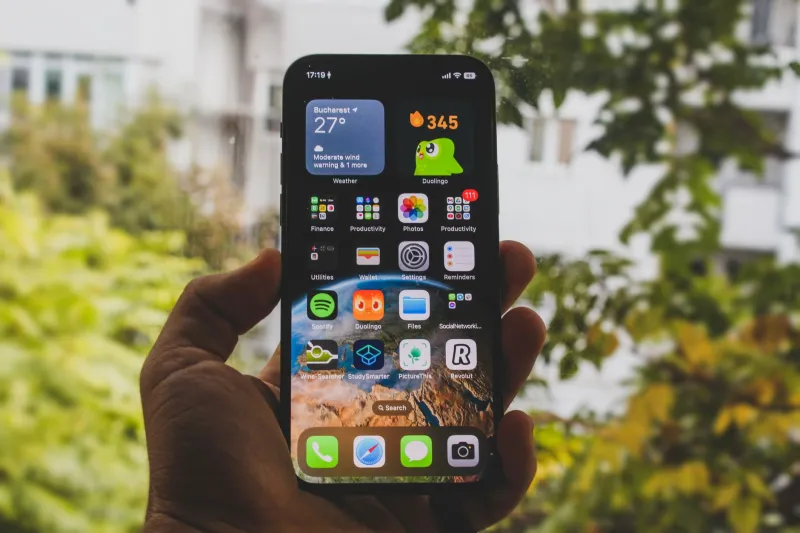
To be fair to Apple, the changes over the past couple of iOS versions have been genuinely meaningful. The lock screen overhaul that arrived with iOS 16 was a real shift — you can now swap fonts on your clock, stack widgets below it, and set different wallpapers that respond to your Focus modes. iOS 18 pushed things further, finally letting users arrange home screen icons more freely and drop an app icon basically anywhere on the grid instead of having everything auto-sort to the top-left like it's 2009.
That's not nothing. For a company that spent over a decade telling users the grid was fine, these are meaningful concessions.
But here's where it gets interesting. The moment you try to go beyond what Apple has explicitly sanctioned, the walls appear almost immediately.
The Invisible Fence
Want to set a third-party app as your default music player and have it actually behave like a default? Good luck getting it to feel seamless. Want to put a truly custom widget — something you built yourself or pulled from a niche developer — on your lock screen? You're working within Apple's widget framework, full stop. Want to replace the system font across the entire OS? Nope. Change the shape of your app icons without a workaround that involves Shortcuts and fake app launchers? Also nope.
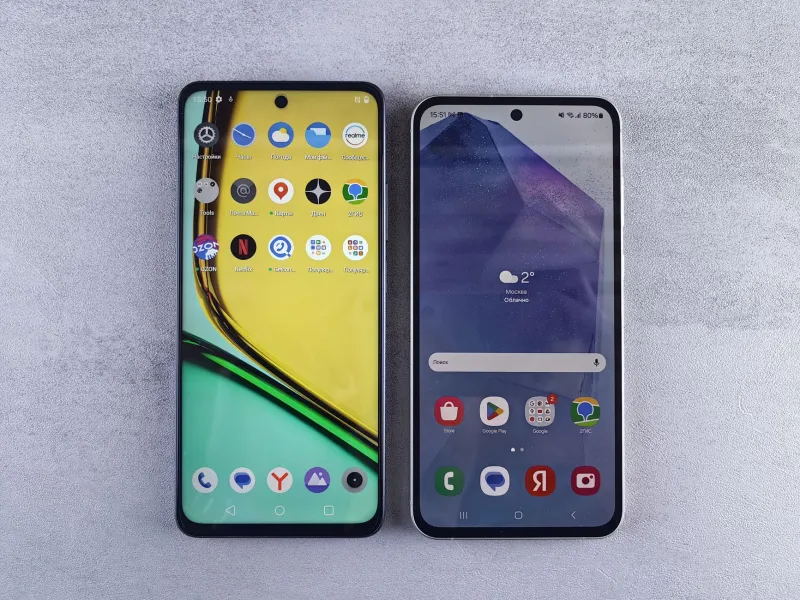
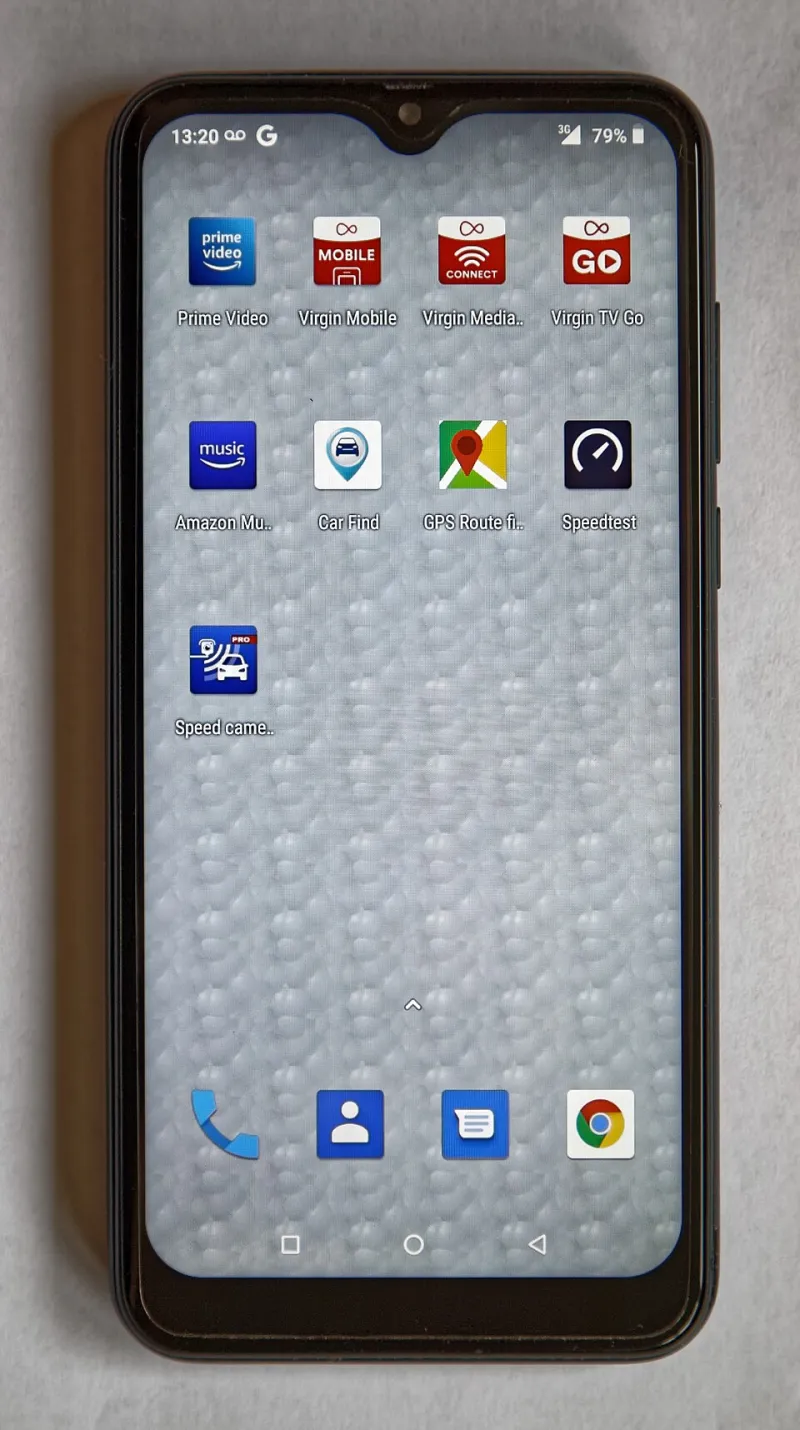
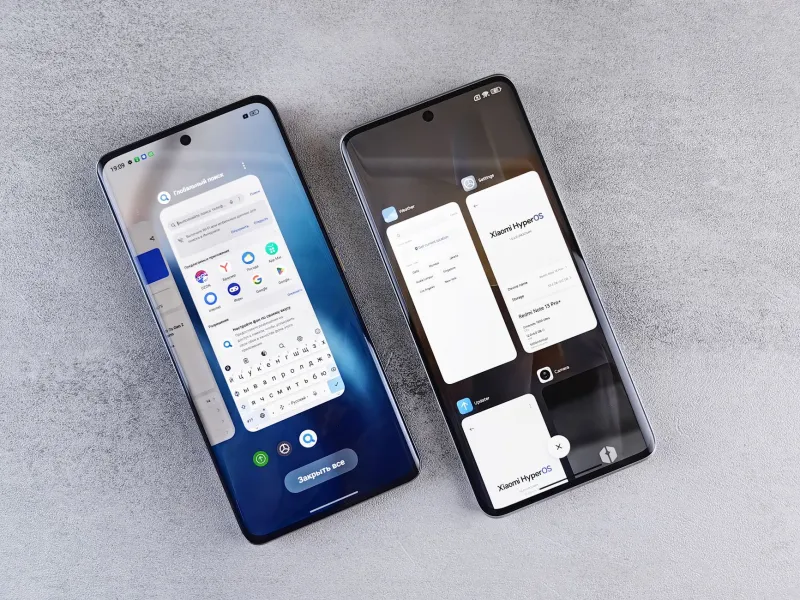
The contrast with Android is almost jarring when you lay it out like this. On Android — especially on a Pixel running close to stock, or a Samsung with Good Lock installed — the level of intervention you can apply to your phone's interface is genuinely staggering. Swap the entire launcher. Change system-wide fonts. Apply icon packs that transform every single app icon in one tap. Resize widgets to almost any dimension and place them wherever you want. Set up always-on display configurations that would make an iPhone user's jaw drop.
And that's before you even get into the world of custom ROMs, which admittedly is more enthusiast territory — but the fact that it exists says something important about Android's philosophy.
It's Not a Bug, It's a Feature (For Apple)
Here's the thing Apple would probably say, and they're not entirely wrong: their approach is intentional. Apple's design ethos has always been about curated experiences. They want customization to feel approachable to a 65-year-old in Omaha and a developer in San Francisco simultaneously. The guardrails aren't accidental — they're load-bearing walls in Apple's product philosophy.
And there's a real argument that this benefits a lot of users. The average iPhone owner isn't trying to flash a custom ROM. They want their phone to look a little more personal without accidentally breaking something. Apple's version of customization is essentially: here are the approved options, pick your favorites. For a huge chunk of their user base, that's genuinely fine.
But the problem is the feeling it creates for people who want more. Because Apple's options, as expanded as they are, still communicate a clear message: you can personalize within our vision of what your phone should look like. The moment you color outside those lines, the system gently but firmly pushes back.
Why Perception Matters as Much as Specs
There's a psychological dimension to this that doesn't get talked about enough. Customization isn't purely functional — it's about identity and ownership. When you can make your phone look and behave in a way that's genuinely unique to you, it stops feeling like a product you're renting and starts feeling like something that belongs to you.
Android, for all its inconsistencies across manufacturers and versions, has always leaned into this. The message from the platform has historically been: this is your device, here are the tools, go wild. That message creates a fundamentally different relationship between the user and the hardware.
Apple's message, even with all the new iOS features, still carries an undertone of: we've thought really hard about what you should want, and we've made those things possible. Which is a very different emotional contract.
Talk to people who've moved from Android to iPhone — even those who are perfectly happy with the switch — and many of them describe a period of adjustment where the phone felt like it was resisting them. Not broken, just... opinionated in ways they didn't expect.
The Gap Is Closing, But It's Not Closed
Look, iOS customization in 2024 is genuinely better than it was five years ago. Apple is listening, at least partially, and the trajectory is in the right direction. If you're someone who wants a tasteful, polished personal touch on your phone without diving into settings menus for hours, iOS might actually serve you better than Android's sometimes-overwhelming option overload.
But if you're the kind of person who wants your phone to be a genuine expression of how you think a phone should work and look — not how Apple thinks it should — Android still isn't just winning that comparison. It's winning it by a lot.
More lock screen widgets and a movable app icon don't change the fundamental architecture of how these two platforms think about their users. Apple sees you as someone to delight within a carefully designed system. Android, at its best, sees you as someone capable of designing the system yourself.
Neither is wrong, exactly. But only one of them actually feels like freedom.